
Content Operating System Services
We build COS (Content Operating System) websites that turn your services, locations, and FAQs into structured, connected content that generates leads. The result is a site that is easier to update and expand, and built to convert local search traffic into calls and requests.

3200 Creative builds Content Operating Systems (COS, Content Operating System) that turn your website into a structured, scalable platform, not a collection of pages. We design the content architecture that powers everything behind the scenes: content types, reusable sections, and explicit relationships between services, locations, people, FAQs, and resources. That structure makes publishing faster, keeps messaging consistent, and creates a foundation that supports long-term growth without constant rebuilds.
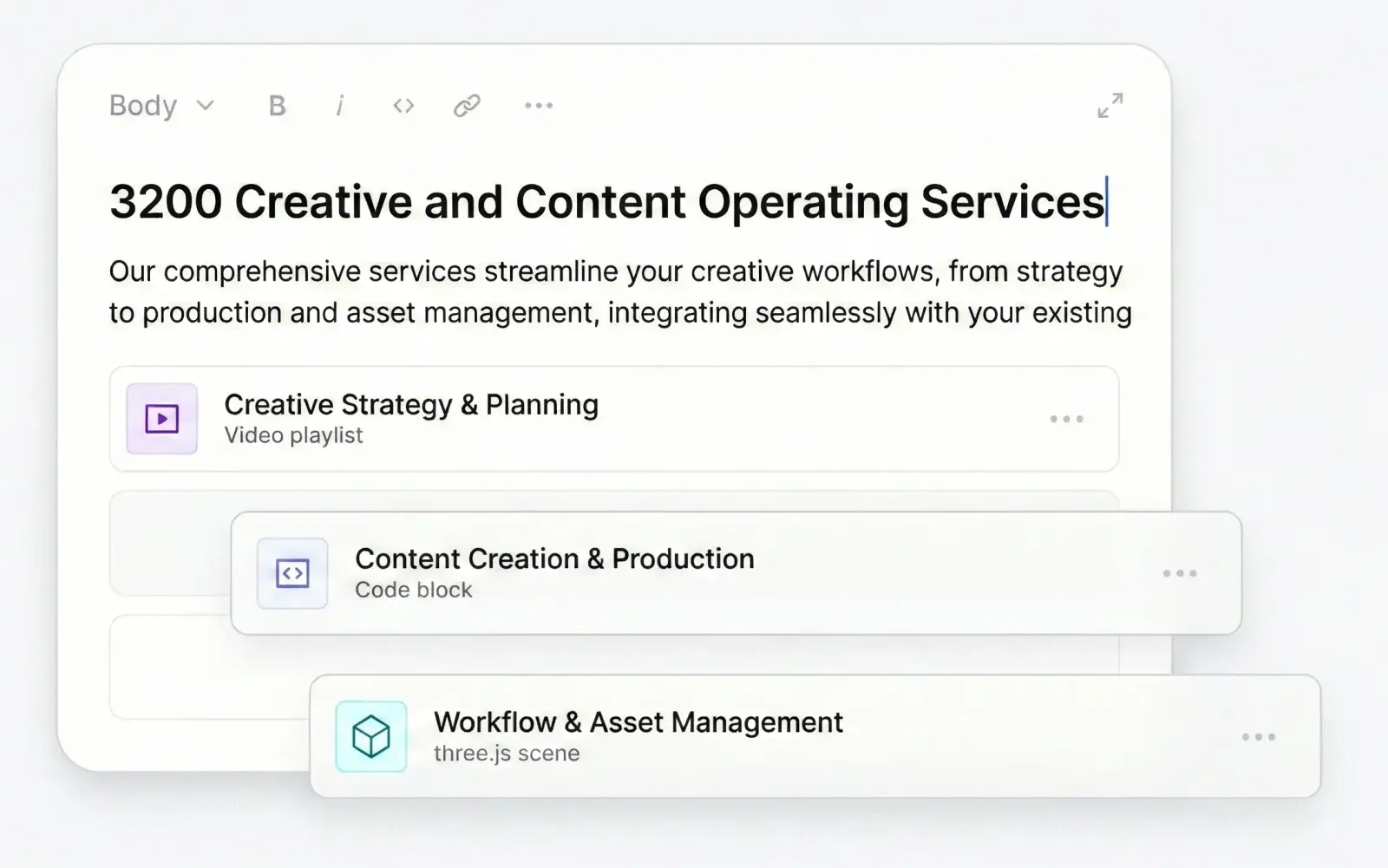
We implement the COS end to end, including CMS configuration, editorial workflows, previews, migrations, and integrations that connect your content to the tools you already use. The result is a system that helps your site stay organized, search-ready, and easy to evolve as your business changes. Instead of reinventing the wheel every time you add a service, expand into a new area, or launch a campaign, your COS makes new pages and experiences predictable, efficient, and dependable.
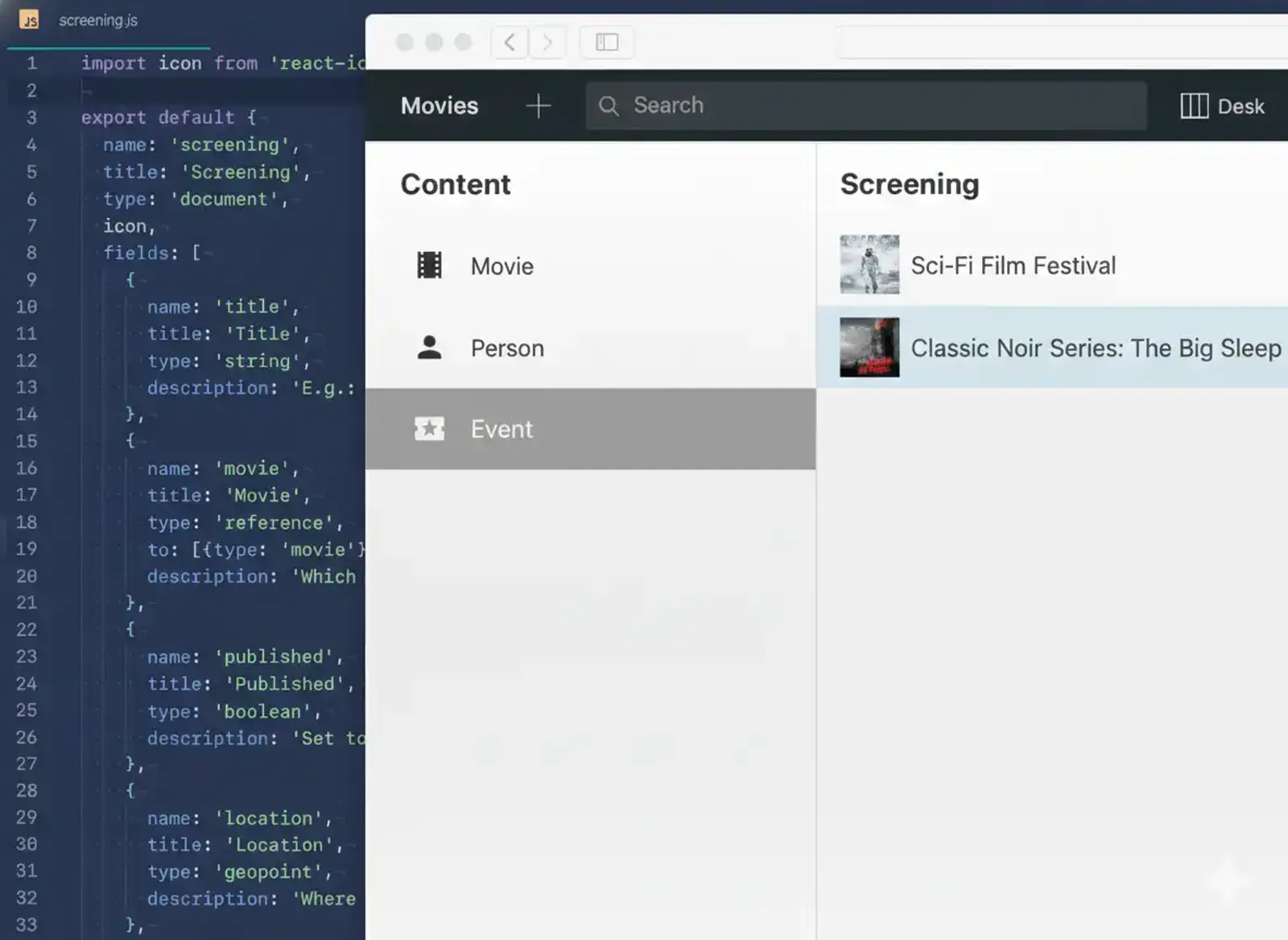
Content Operating System services (COS)
- COS strategy and requirements
- Content inventory and consolidation plan (what exists, what stays, what merges, what gets retired)
- Content goals mapped to intent (what content supports leads, sales, support, hiring, etc.)
- Governance plan (who edits what, approval workflow, publishing rules)
- Structured content architecture
- Content model design (types, fields, references, reusable modules)
- Relationship mapping (entities like services, locations, people, products, FAQs, categories)
- Taxonomy and tagging system (facets that power navigation, filtering, and SEO)
- COS implementation in a CMS
- Schema build and validation rules (required fields, conditional logic, character limits)
- Editorial experience (custom inputs, guided publishing, preview setup)
- Roles, permissions, and workflow states (draft, review, scheduled, published)
- Content migration and normalization
- Migration mapping (old pages/data → new types and fields)
- Transform scripts and QA (dedupe, clean-up, consistent naming, canonical assignments)
- Redirect strategy aligned to the new structure (1:1 where possible, consolidate where smart)
- Content delivery system
- API and query layer design (fast queries, consistent outputs, caching-aware)
- Frontend integration (templates driven by structured content, modular sections)
- Multi-channel outputs (web pages, landing pages, feeds, email snippets, social-ready blocks)
- Search and discovery inside the COS
- Internal site search implementation (indexing strategy, filters, ranking rules)
- Faceted navigation and filtered listing pages (without creating SEO duplication)
- Related-content logic (rules-based relationships, curated collections)
- SEO and structured data automation
- SEO fields embedded in the model (titles, descriptions, canonical, OG, robots directives)
- Schema markup generation (LocalBusiness, Service, Product, FAQ, Article, etc.)
- Programmatic internal linking (relationships powering contextual links)
- Media and asset operations
- Asset pipeline rules (image cropping, focal points, responsive sizes, formats)
- Alt text and accessibility fields in the model
- Asset reuse system (avoid duplicates, consistent naming, licensing notes)
- Performance and reliability
- Caching strategy (CDN/edge, revalidation, content freshness rules)
- Build/deploy workflow for content changes (preview deploys, staged releases)
- Monitoring (errors, broken links, content integrity checks)
- COS training and enablement
- Editorial documentation (how to publish, style rules, content standards)
- Team onboarding session (hands-on training for editors)
- Maintenance plan (model updates, new content types, iteration roadmap)
Related Projects
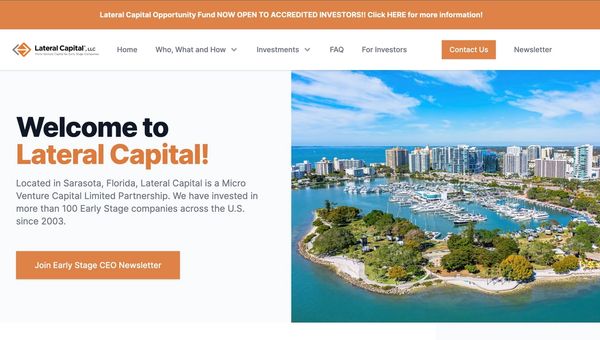
Early-Stage Venture Capital Website Development
We recently completed an Early-Stage Venture capital website project built to the founder's exact specifications. A website that is 80% generated by PDFs.
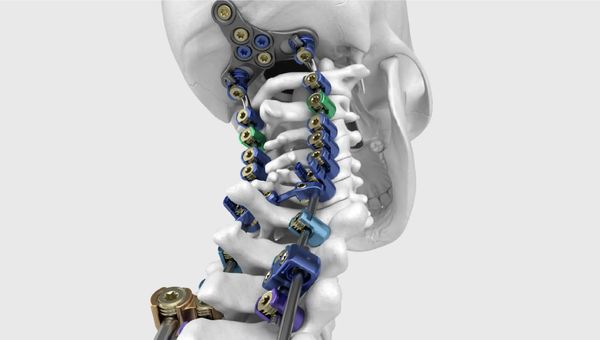
Surgical Solutions Provider Website Design and Development
Woodbury, MN medical and surgical solution websites built around clear product navigation, structured content, and performance, helping clinicians and teams find information quickly and confidently.
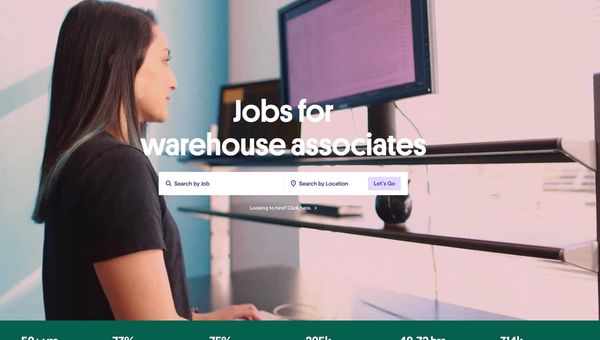
National Staffing Agency Website Optimization
Staffing websites designed to convert both employers and job seekers, with clean service pages, role and location structure, and lead forms that support steady recruiting demand.
Content Operating System Services across the Twin Cities
Ready to talk about content operating system services?
We work with businesses across Woodbury, the Twin Cities, and the surrounding 100-mile area. Reach out to discuss your goals and get a straightforward assessment of what we can do together.